
Doberman Rottweiler Mix: Size, Temperament, Health and Care Guide
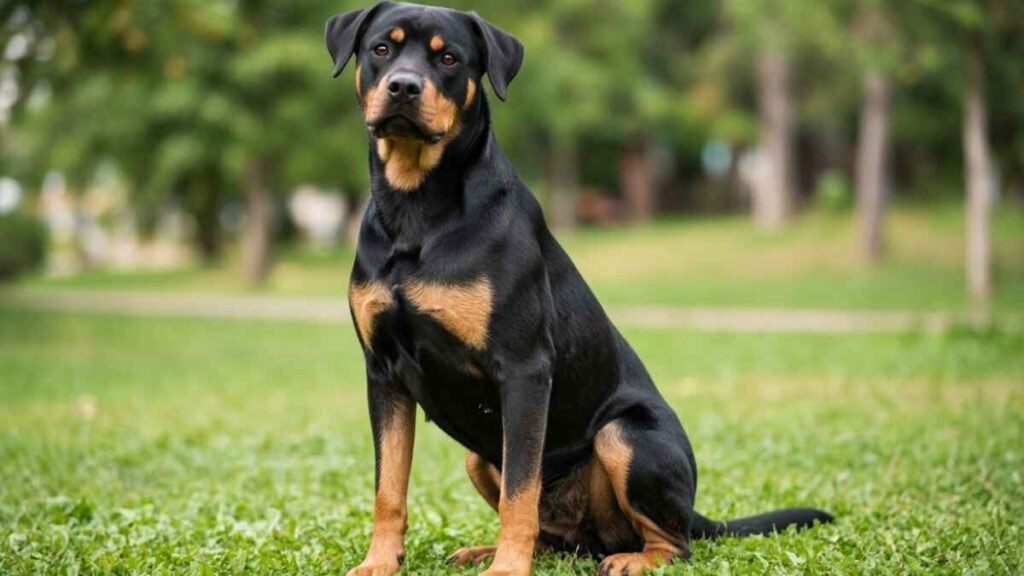
The Doberman Rottweiler Mix is a strong and intelligent dog. It combines two loyal breeds. This mix is also called a Rotterman. It often has a muscular body and an alert nature. Its size and appearance can vary. Some dogs look more like a Doberman, while others resemble a Rottweiler.
These dogs need daily exercise and regular training. Early socialization also helps them learn good behaviour. They can be protective of their families. However, they need responsible handling. Before choosing this mix, learn about its temperament, health, grooming, and exercise needs. This will help you decide if it suits your lifestyle.
What Is a Doberman Rottweiler Mix (Rotterman)?
The Rotterman dog breed is a mixed-breed dog created by crossing a Doberman Pinscher with a Rottweiler. It is also known as a Doberman Rottweiler cross or a Rottweiler Doberman mix.
People searching for Rottweiler and Doberman dogs may be comparing the parent breeds or looking for a mixed-breed companion. Some searches also use phrases like “Rottweiler a Doberman” when looking for information about these dogs.
Because this is a mixed breed, its appearance and personality can vary. Some dogs may look more like their Doberman parent, while others may inherit more Rottweiler features. There is no single official breed standard for this mix.
Parent Breeds and Their Background

The Doberman Pinscher was developed as a working dog known for its intelligence, alertness, and athletic ability. Dobermans often form close bonds with their families and respond well to structured training.
The Rottweiler is another strong working breed. It has a history of herding and guarding. Rottweilers are often confident, loyal, and eager to work when properly trained.
A Rottweiler Doberman mix breed may inherit traits from either parent. A Doberman mixed with Rottweiler may have the Doberman’s athletic build and the Rottweiler’s muscular body. However, every dog is an individual, so its behaviour cannot be predicted by breed alone.
Doberman Rottweiler Mix Size, Weight and Physical Characteristics
The Doberman Rottweiler mix size is usually medium to large, with a muscular body and an athletic appearance. Its final size depends on genetics, sex, diet, and overall health.
This mix may have a short coat, a broad chest, strong legs, and an alert expression. However, individual dogs can look quite different.
Doberman Rottweiler Mix Size and Weight
A fully grown Rotterman may weigh around 80 to 130 pounds and stand approximately 23 to 28 inches tall at the shoulder. These are estimates rather than official measurements, so some dogs may fall outside this range.
| Physical feature | Estimated details |
| Weight | 80–130 pounds |
| Height | 23–28 inches |
| Lifespan | Around 9–12 years |
| Coat | Short and usually smooth |
| Body type | Muscular and athletic |
| Common coat colours | Black and tan, black and rust, or brown combinations |
The Rotterman weight and height depend on the size of both parents. Ask a veterinarian about healthy growth and body condition rather than relying only on average figures.
Rotterman Appearance and Coat Colours
The Rotterman appearance often includes a strong body, a broad head, and a short coat. Many dogs have black fur with tan or rust-coloured markings. Others may inherit different colour patterns from their parents.
Their eyes are commonly brown, and their ears may be floppy or naturally folded. Their overall appearance depends on which parent they resemble most.
Physical Features and Body Structure
This mix usually has a deep chest, muscular shoulders, and powerful legs. These features can support activities such as walking, hiking, and structured dog sports.
A Doberman cross with Rottweiler ancestry may develop a strong, athletic frame. However, its body shape and adult size will depend on the traits inherited from both parents.
Despite its strong build, a Rotterman still needs suitable exercise and regular veterinary care. Its body size alone does not determine its strength, behaviour, or health.
Rotterman Temperament and Personality Traits
The Doberman Rottweiler mix temperament can combine intelligence, loyalty, confidence, and alertness. These dogs often enjoy spending time with their families and learning new tasks.
Their personalities depend on genetics, early experiences, training, and their living environment. Proper socialization can help them become more comfortable around unfamiliar people and situations.
Common Personality Traits
Many Rottermans are attentive, energetic, and closely bonded to their owners. They may enjoy interactive games, walks, and activities that challenge their minds.
Some are naturally reserved around strangers. Others may be more outgoing. Consistent care and positive experiences help owners understand their dog’s individual temperament and personality.
Protective Instincts and Behaviour
Both parent breeds can have guarding instincts. A Rotterman may alert its family when someone approaches the home, but this does not automatically mean the dog will behave aggressively.
Owners should teach calm behaviour and appropriate responses to visitors. Reward-based training and early socialization can help a dog learn how to handle unfamiliar people safely.
Doberman Rottweiler Mix Training and Early Socialization
Rotterman training should begin early and continue throughout the dog’s life. This intelligent mix can learn commands quickly, but it needs clear rules and regular practice.
Because it can grow into a large, powerful dog, good manners are especially important. Training should focus on calm behaviour, reliable responses, and safe interactions.
Basic Obedience Training
Start with simple commands such as sit, stay, come, and leave it. Practise in a quiet place before introducing more distractions.
Keep training sessions short and rewarding. Treats, toys, and praise can encourage good behaviour. Avoid harsh punishment, which can create fear and damage trust.
Socialization and Positive Training Methods
Early socialization helps puppies become familiar with different people, sounds, places, and everyday experiences. Introduce new situations gradually and make each experience positive.
Teach your dog to walk calmly on a leash and settle when visitors arrive. If you notice persistent fear, reactivity, or difficult behaviour, consult a qualified, reward-based trainer.
Rotterman Exercise Requirements and Daily Activities
The Rotterman exercise requirements are usually high because both parent breeds are active working dogs. Adult dogs often benefit from daily walks, play, training, and opportunities to explore.
The right amount of activity depends on age, health, fitness, and individual energy levels. Avoid forcing puppies into strenuous exercise while their bones and joints are developing.
Daily Exercise Needs
Many healthy adult Rottermans need around 60 to 90 minutes of daily physical activity. This is a general estimate, not a strict rule for every dog.
Walks can be combined with supervised play and short training sessions. Build activity gradually and provide rest, especially during hot weather or after demanding exercise.
Mental Stimulation and Play

Without enough activity and engagement, some dogs may become bored or develop unwanted behaviours. Give your dog safe toys and activities that match its age and abilities.
Doberman Rottweiler Mix Health Problems and Lifespan
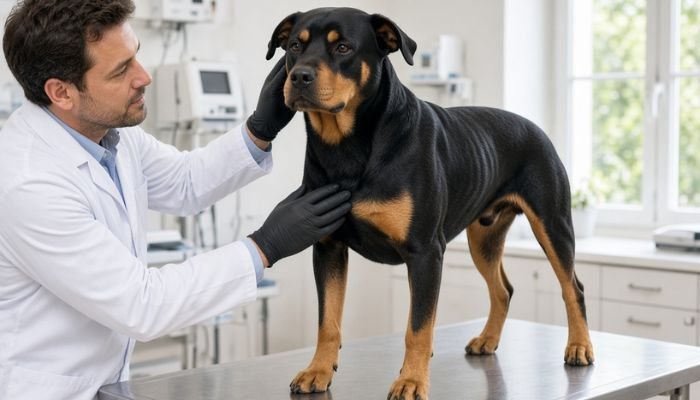
The Doberman Rottweiler mix health problems may include conditions seen in either parent breed. However, not every dog will develop these issues, and mixed-breed dogs can have different health risks.
Routine veterinary visits, appropriate nutrition, healthy activity, and preventive care can support long-term wellbeing.
Common Health Concerns
Hip dysplasia is a joint condition that can affect large dogs. It may cause discomfort, stiffness, or difficulty moving. A veterinarian can assess symptoms and recommend suitable care.
Dobermans can be prone to dilated cardiomyopathy, a heart condition that affects the heart’s ability to pump blood. Other possible concerns include hypothyroidism and progressive retinal atrophy, an inherited eye condition.
These conditions are not guaranteed to occur in a Rotterman. Ask the breeder about parent health screening and discuss suitable health checks with your veterinarian.
Expected Lifespan and Veterinary Care
The estimated Rotterman lifespan is around 9 to 12 years, although individual dogs may live shorter or longer lives. Genetics, health, nutrition, and general care can influence longevity.
Schedule regular veterinary check-ups and keep vaccinations and parasite prevention up to date. If you notice changes in movement, appetite, energy, vision, or behaviour, seek veterinary advice.
Rotterman Grooming and Maintenance Needs

The Rotterman grooming needs are usually manageable because this mix often has a short coat. However, it still needs regular brushing, nail care, dental hygiene, and ear checks.
A consistent routine can help keep your dog’s coat and skin healthy while allowing you to notice unusual changes early.
Coat Care and Shedding
Brush your Rotterman once or twice a week to remove loose hair and dirt. Shedding levels vary, and some dogs may shed more during seasonal changes.
Bathe your dog when necessary using a dog-safe shampoo. Frequent bathing is usually unnecessary unless the coat becomes dirty or your veterinarian recommends it.
Nail, Ear and Dental Care
Trim your dog’s nails when they become too long. Check its ears regularly for redness, unusual odour, or discharge, and ask your veterinarian how to clean them safely.
Brush your dog’s teeth with a dog-specific toothbrush and toothpaste. Good dental care helps reduce plaque and supports oral health.
Is a Rotterman a Good Family Dog?
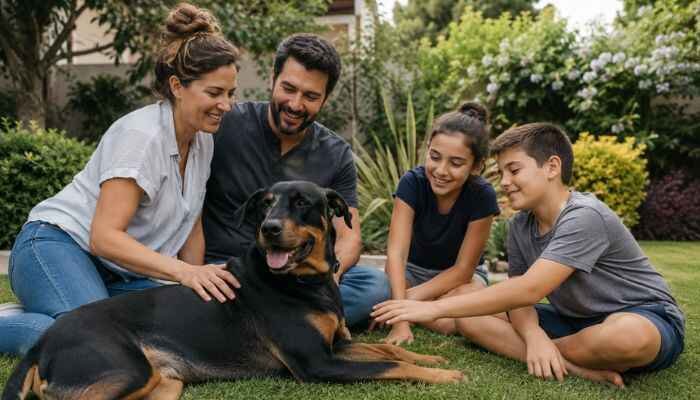
A Rotterman can be a devoted family companion when its needs are met. Many enjoy being involved in family activities and spending time with their owners.
However, its size, energy, and potential guarding behaviour mean that it needs responsible handling. A good match depends on the dog’s personality and the family’s experience, time, and lifestyle.
Family Lifestyle and Living Environment
A home with enough space for comfortable movement and regular outdoor activity may suit this mix well. A securely fenced yard can provide extra opportunities for supervised play, but it does not replace walks and training.
Apartment living may be possible if the owner can provide enough daily exercise and mental stimulation. The dog’s routine matters more than the size of the home alone.
Are Rottermans Suitable for First-Time Owners?
A Rotterman may be challenging for a first-time owner because it can become large and powerful. Its training, socialization, and exercise needs require consistency.
A first-time owner should be prepared to learn about canine behaviour and seek professional support when needed. An individual dog’s temperament is also important when deciding whether this mix is a suitable choice.
Doberman Rottweiler Mix Compatibility With Children and Other Pets
The Rotterman family dog experience depends on early socialization, training, supervision, and the individual dog’s behaviour. Some Rottermans live comfortably with children and other pets, while others may need careful introductions.
Never assume that a dog will automatically be safe around every person or animal because of its breed.
Rottermans Around Children
Teach children to approach dogs calmly and respect their space. Adults should supervise every interaction, especially with young children.
Avoid allowing children to disturb a dog while it is eating, sleeping, or resting. Even a friendly dog can react if it feels frightened or uncomfortable.
Living With Other Dogs and Pets
Some Rottermans get along well with other dogs, particularly when they have positive experiences from an early age. Others may need gradual introductions and careful management.
Introduce pets in a controlled setting and watch their body language. Small animals should be kept safe, and interactions should always be supervised until you understand how the animals behave together.
Rotterman Puppies, Adoption and Reputable Breeders
Finding healthy Rotterman puppies requires patience and careful research. Since this is a mixed breed, puppies can vary in appearance, temperament, and adult size.
Whether you choose a breeder or adoption, focus on health, behaviour, and responsible care rather than appearance alone.
Choosing a Healthy Rotterman Puppy
Look for a puppy that is alert, curious, and comfortable interacting with people in an age-appropriate way. Ask about veterinary checks, vaccinations, parasite prevention, and the health history of both parents.
A responsible source should answer questions openly and explain how the puppies are raised. Do not choose a puppy based only on size or colour.
Finding a Responsible Breeder or Rescue
A reputable breeder should provide information about the parent dogs and relevant health screening. They should also allow you to ask questions about temperament and early socialization.
Doberman Rottweiler mix adoption may be another option. Contact local shelters and rescue organisations to ask whether they have a suitable dog available. Spend time learning about the dog’s history, needs, and behaviour before making a decision.
Costs and Preparation Before Bringing a Puppy Home
Before bringing a puppy home, budget for food, bedding, a secure leash and harness, training, grooming supplies, and veterinary care. Large dogs can have higher food and healthcare costs than smaller dogs.
Prepare a quiet resting area and establish a consistent daily routine. Arrange a veterinary appointment soon after adoption or purchase so you can discuss health checks and preventive care.
Final Thoughts on the Doberman Rottweiler Mix
The Doberman Rottweiler mix can be an intelligent, loyal, and active companion. It may inherit the athletic build of a Doberman and the confident nature of a Rottweiler, but every dog is different.
This mix needs regular exercise, positive training, early socialization, and ongoing healthcare. Before choosing one, consider your experience, available time, and ability to meet its needs throughout its life.
With responsible care and a suitable home, a Rotterman can become a valued member of the family.
Frequently Asked Questions
1. What is a Rottweiler Doberman mix puppy called?
A Rottweiler Doberman mix puppy is commonly called a Rotterman. It combines traits from both parent breeds.
2. How much does a Doberman Rottweiler mix puppy cost?
The price depends on the breeder, location, pedigree, and health testing. Contact reputable local breeders for current prices.
3. What is a Rotterman?
A Rotterman is a cross between a Rottweiler and a Doberman Pinscher. It is often strong, intelligent, and loyal.
4. Is a Doberman Rottweiler mix a wolf mix?
No, a Rotterman is not a wolf mix. A wolf mix has wolf ancestry, which is different from this crossbreed.
5. What is another name for a Doberman Rottweiler mix?
The most common name is Rotterman. Some people also call it a Rottie Dobie.
6. What is the temperament of a Rottweiler Doberman mix?
A Rotterman can be loyal, alert, intelligent, and protective. Early socialization and consistent training help encourage good behavior.
7. How does a Rottweiler with Doberman temperament compare?
Both breeds are confident, active, and intelligent. Their mix needs regular exercise, positive training, and responsible supervision.
8. Does a Doberman Rottweiler mix have cropped ears?
Some Rottermans may have cropped ears, but many have natural, floppy ears. Cropping is a surgical procedure and is restricted in some places.