
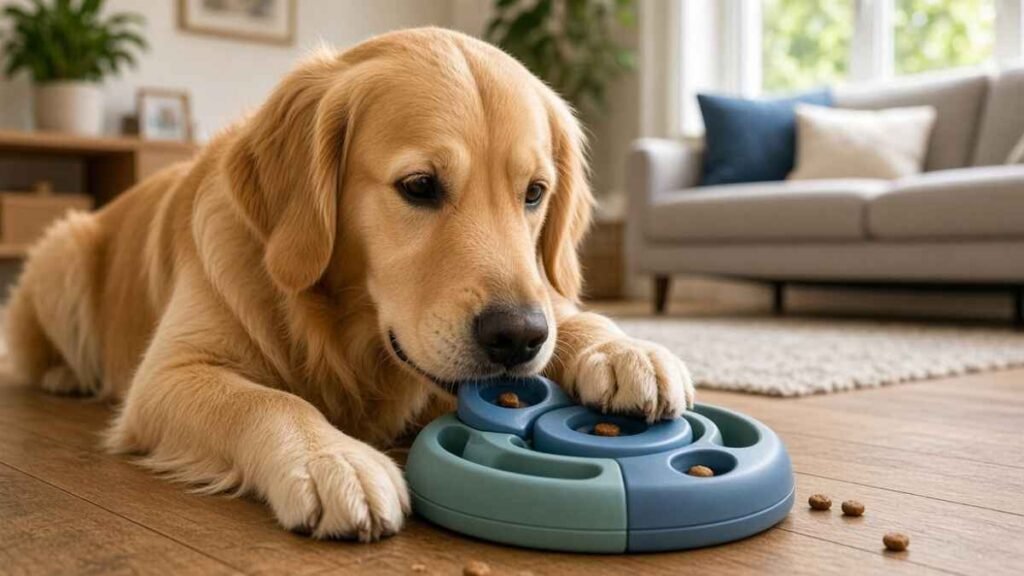
The Best Interactive Dog Toys to Keep Your Dog Busy in 2026
Ever come home to find your dog just staring at a pile of ignored toys? That’s not a toy problem. That’s boredom. Interactive dog toys fix that in a way regular toys never could. They make your dog think, not just chew. This kind of mental stimulation matters more than most owners realize.
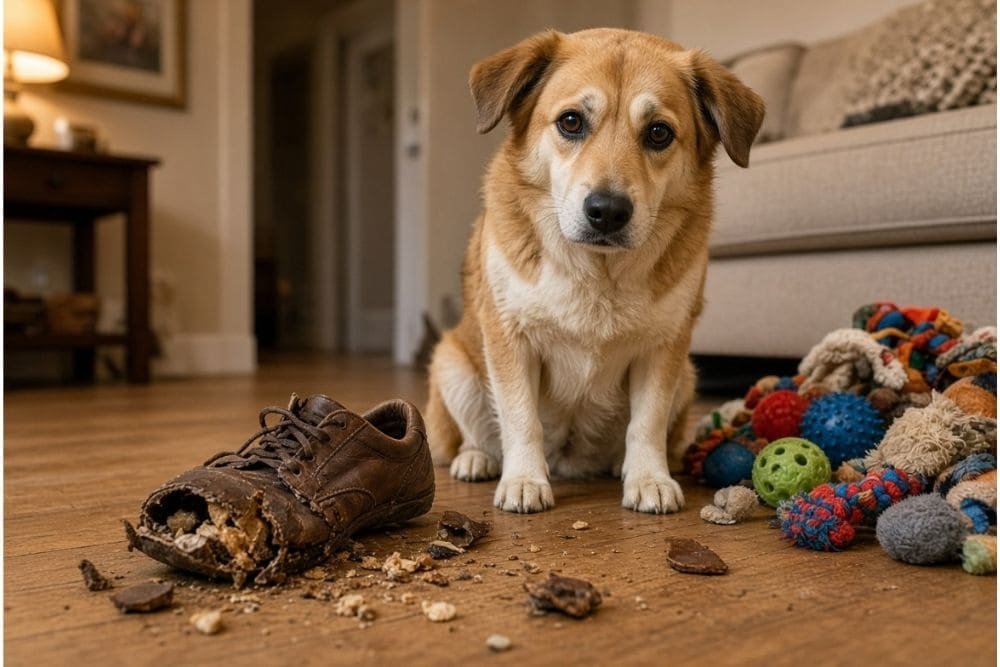
A bored dog gets creative fast. And not in a good way. Chewed shoes. Dug up yards. Barking that won’t stop. The right treat-dispensing toy or puzzle feeder can turn all that restless energy into something good. This guide walks you through the best picks. Your dog stays busy. Stays happy. And stays out of trouble.
Why Interactive Dog Toys Matter
A regular chew toy keeps jaws busy. An interactive toy does more than that. It makes your dog think. It makes them work a little for the fun.
Bored dogs get creative. And not in a good way. Chewed shoes. Dug up gardens. Nonstop barking. Mental stimulation through play can turn all that energy into something better. Want the full picture on this? Check out our guide to dog enrichment.
How We Chose These Interactive Dog Toys
We didn’t just grab whatever had the most stars on Amazon. We looked at real engagement.
Did the dog actually stay interested? Did the toy hold up over time? Did owners keep buying the same brand again? Toy durability and real dog engagement mattered most here.
Best Interactive Dog Toys
Here’s a quick look before we dig deeper.
| Toy Type | Difficulty Level | Best For |
| Treat-Dispensing Ball | Easy | Beginners, food-motivated dogs |
| Puzzle Feeder | Medium | Smart breeds, problem solvers |
| Motion-Activated Toy | Easy | Solo play, high-energy dogs |
| Tug-and-Chew Combo | Easy | Interactive play with owner |
These toys cover different needs. Some are just a snack challenge. Others are a real mental workout. For more options worth exploring, Vetstreet’s roundup of interactive dog toys is another solid resource to check out.
Best Interactive Toys by Category
Not every dog needs the same challenge. Here’s how to match the toy to the dog.
Best Treat-Dispensing Toy: Turning Snacks Into a Game
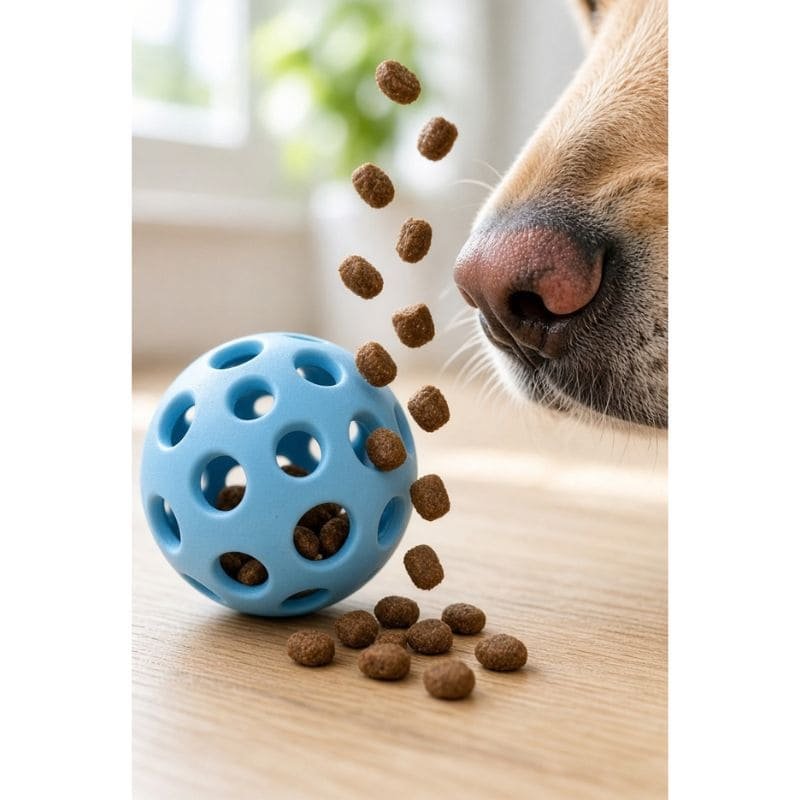
This one slows down fast eaters. Your dog rolls it. Noses it. Paws at it. Treats fall out bit by bit. Simple idea. Works surprisingly well.
Best Puzzle Toy for the Overthinkers of the Dog World
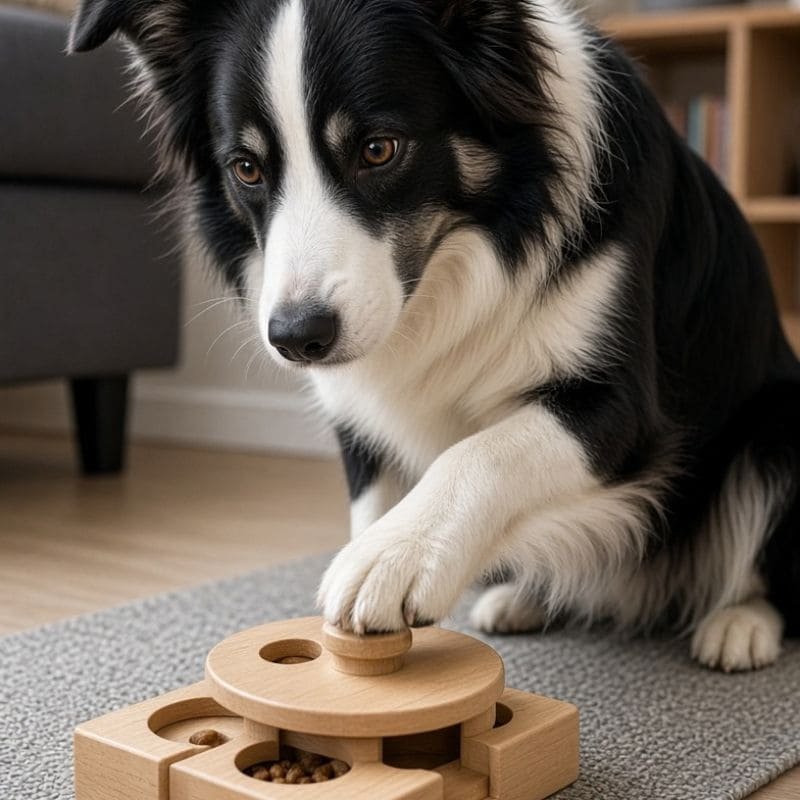
Puzzle toys ask more. Slide a panel. Flip a lid. Lift a piece. Smart breeds tend to love this stuff. It tires out the brain, not just the legs.
Best Interactive Toy for Dogs Who Chew Like It’s a Full-Time Job
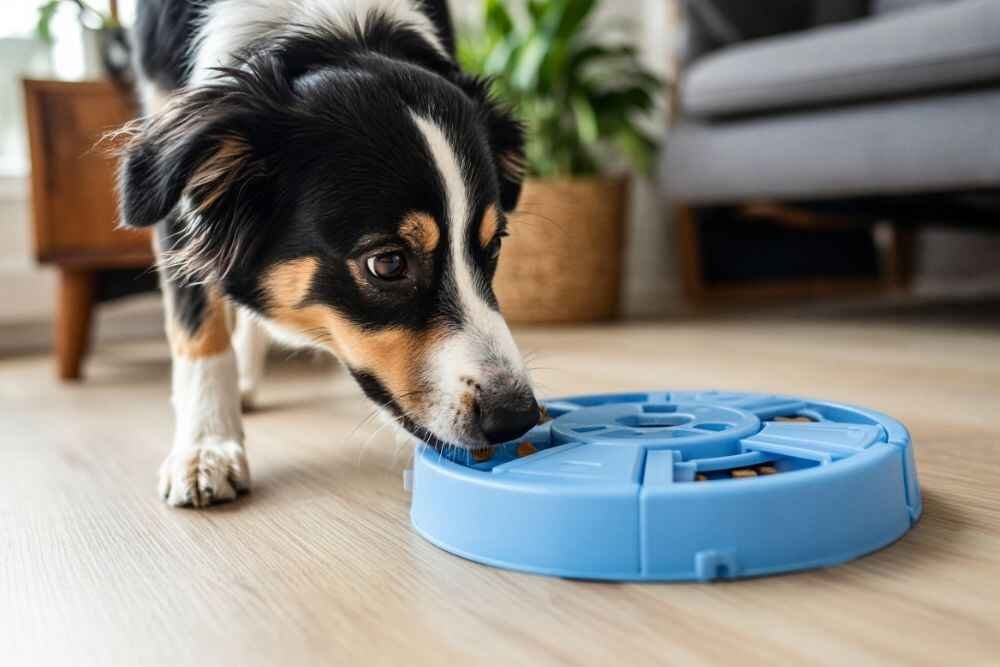
Some dogs turn any toy into rubble in minutes. For these dogs, go thick. Go solid rubber. If this sounds like your dog, check out our guide to chew toys for aggressive chewers for the toughest picks.
Best Interactive Toy for Big Dogs
Large breeds need size and strength to match. A flimsy puzzle won’t survive five minutes with a determined Lab or Mastiff. Go bigger. Go tougher. Expect it to take a beating anyway.
Best Interactive Toy for Small Dogs
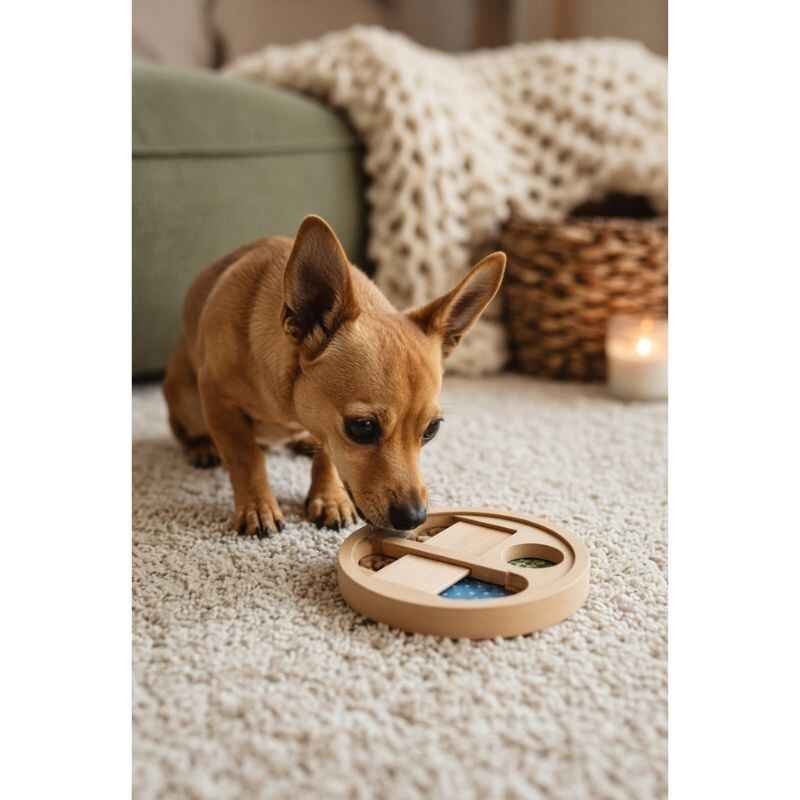
Small dogs need toys sized for a smaller mouth and lighter paws. A puzzle built for a Labrador can be too heavy or too bulky for a Chihuahua or a Dachshund to move around. Look for lightweight, compact toys that still offer a real challenge without overwhelming a smaller frame.
Best Interactive Toy for Border Collies and Other Smart Dogs
High energy, high IQ breeds get bored fast. A ball that just rolls around won’t cut it. These dogs need real problem solving built into playtime.
Types of Interactive Dog Toys
A few main categories are worth knowing before you shop.
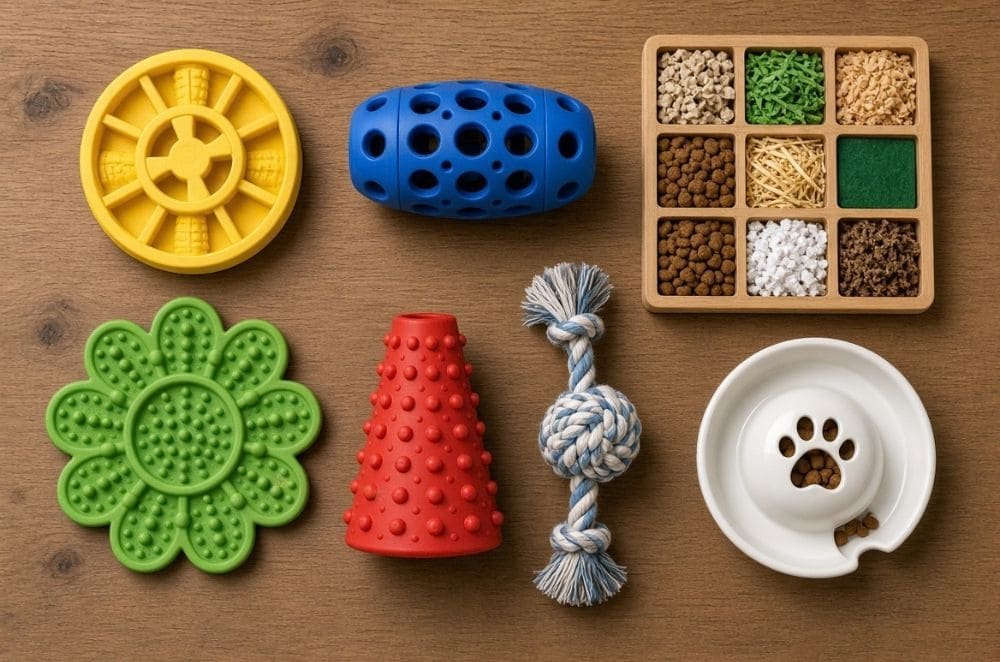
Puzzle feeders make your dog work for food through sliding panels or lift up parts. Treat-dispensing toys release small rewards during play, with no real effort needed from you. Motion-activated toys move on their own, great for dogs who need something to chase even when you’re busy. Tug-interactive combos mix physical play with your involvement, which also builds your bond with your dog.
What to Look for in an Interactive Toy
A few things really matter here. Start with difficulty. A dog new to interactive play needs something simple. Don’t start with the hardest option and expect success.
Durability matters too. Look for safe materials that won’t fall apart fast. Size should match your dog’s breed and jaw strength. Too small, and it’s a choking risk. Too big, and it just gets ignored. For treat toys, check how easy they are to clean. If it’s a pain to wash, it’ll end up forgotten in a drawer.
| What to Check | Why It Matters |
| Difficulty Level | Prevents frustration or boredom |
| Material Safety | Avoids toxic exposure |
| Size Fit | Prevents choking risk |
| Cleaning Ease | Keeps toy in regular rotation |
Signs Your Dog Needs More Mental Stimulation
Sometimes it’s obvious. Sometimes it sneaks up on you.
Destructive chewing, even with toys right there, usually means boredom. Not defiance. Excessive barking when left alone can mean the same thing. So can pacing. Or constant licking. These are signs the brain isn’t getting enough of a workout. Our enrichment toys guide goes deeper on fixing this long term.
How to Introduce a New Interactive Toy Safely
Don’t hand your dog the hardest puzzle on day one. Start easy. Let them build confidence first.
Watch the first few sessions closely. This catches safety issues early. Rotate toys weekly to keep things fresh. Even a great puzzle gets boring eventually. And if your dog looks frustrated instead of curious, that’s your cue. Switch to something simpler. Not every dog needs the hardest option to actually benefit.
Frequently Asked Questions
What is the best interactive dog toy?
It depends on your dog. Treat-dispensing toys work well for food-driven dogs. Puzzle feeders suit smart, high-energy breeds who need a real mental challenge.
What can keep a dog entertained for hours?
No single toy lasts hours non stop. Rotating a few interactive toys, like a puzzle feeder paired with a treat-dispensing ball, keeps engagement much longer than one toy alone.
What can mentally stimulate a dog?
Puzzle toys, scent games, snuffle mats, and treat-dispensing toys all work well. Training sessions and short walks with new smells count too.
Are interactive toys good for dogs?
Yes. They reduce boredom, ease mild anxiety, and give dogs a healthy outlet for natural instincts like foraging and problem solving.
Conclusion
Every dog needs something different when it comes to mental stimulation. Not sure where to start? Our team can help you build the right toy rotation for your dog’s personality and energy level. Reach out anytime, or check out our full dog enrichment guide for more ideas.